
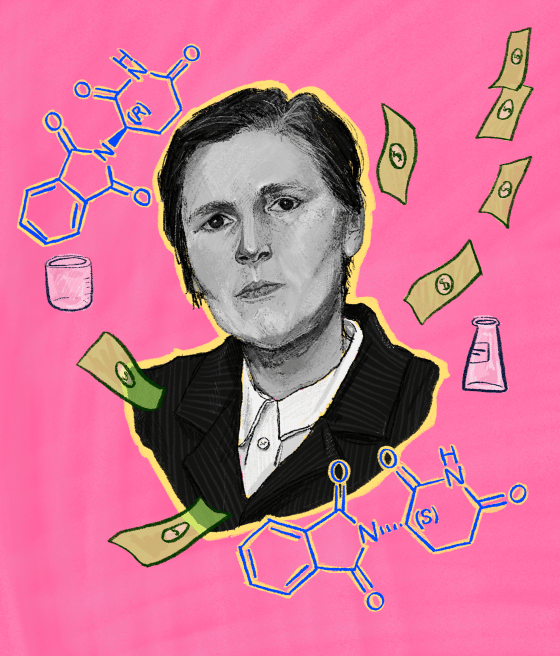
Cover Image: Lilly Guilbeault, January 2026 By: Sagit Yessim, Contributing Writer If you have ever taken CHEM 211, then chances … More
by the McGill Science Undergraduate Research Journal
Cover Image: Lilly Guilbeault, January 2026 By: Sagit Yessim, Contributing Writer If you have ever taken CHEM 211, then chances … More
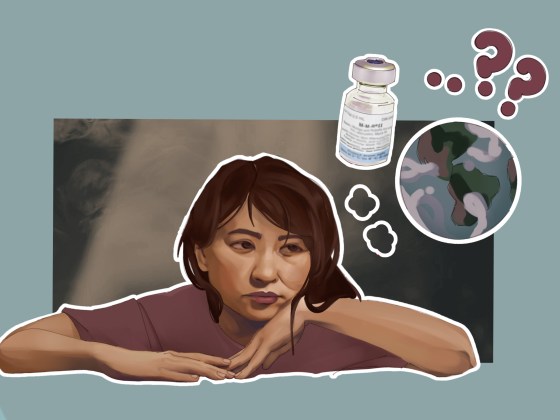
Cover Image: Ella Yang, February 2026 By: Isla Stiff, Contributing Writer Resurgence of Measles within Canada Measles is a highly contagious … More

Cover Image: Painting by Nikita de Jonge, January 2026 Article by: Parmida Talebi, Contributing Writer In the early nineteenth century, British … More
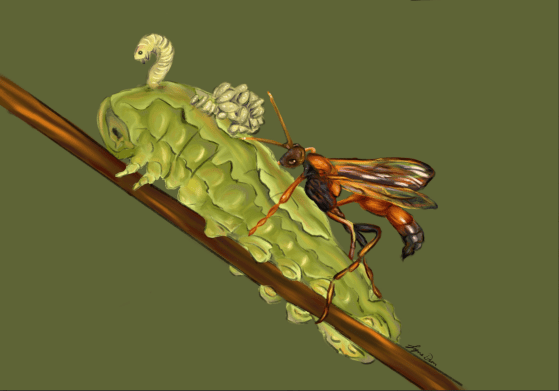
Virus particles used as gene delivery vectors by parasitoid wasps—and people? Cover image: Signe Dixon, February 2026 By: Jacob Van … More
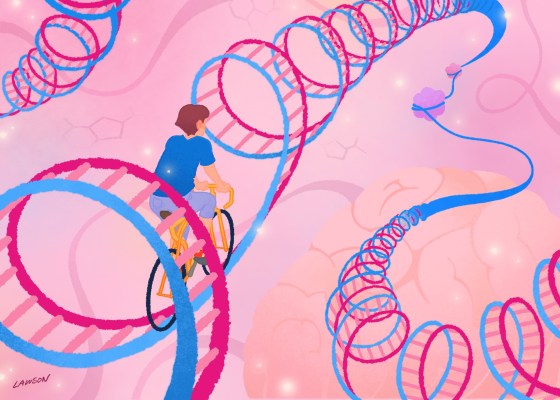
Cover Image: Liadan Lawson, February 2026 By: Becca Carballal, Contributing Writer Finals season is fast approaching, and with it are … More
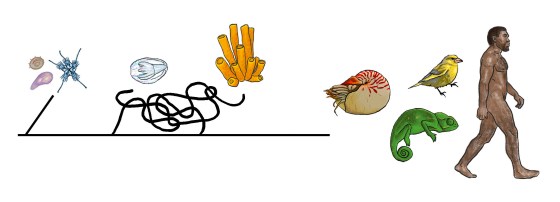
Cover Image and Figures: Auden Akinc, February 2026 By: Jacob Van Oorschot, Contributing Writer Who branched off first: comb jellies … More

Many healthcare workers are afraid of being replaced by AI in the workforce–but as far as we know, there’s no reason for medical practitioners to worry.

Lately, I’ve been concerned for the health of vampires. While I may not bear the curse of eternal life, I clearly have a bit of extra time on my hands. But seriously, vampires’ strictly-blood diet has me worried, due to all the blood-borne diseases they would be exposed to.

Memory has long been a central focus of neuroscience and psychology, with extensive research exploring how information is encoded, stored, and received by the brain. A groundbreaking new study had introduced the possibility that memory processes may also be occuring outside the brain.

Cancer immunotherapy has revolutionized oncology over the last three decades, but a serious problem remains: more than half of treated patients do not respond to the therapy. Recent research, including work at McGill, reveals that manipulating the microorganisms living in our gut could help improve treatment outcomes.
 The Abstract