
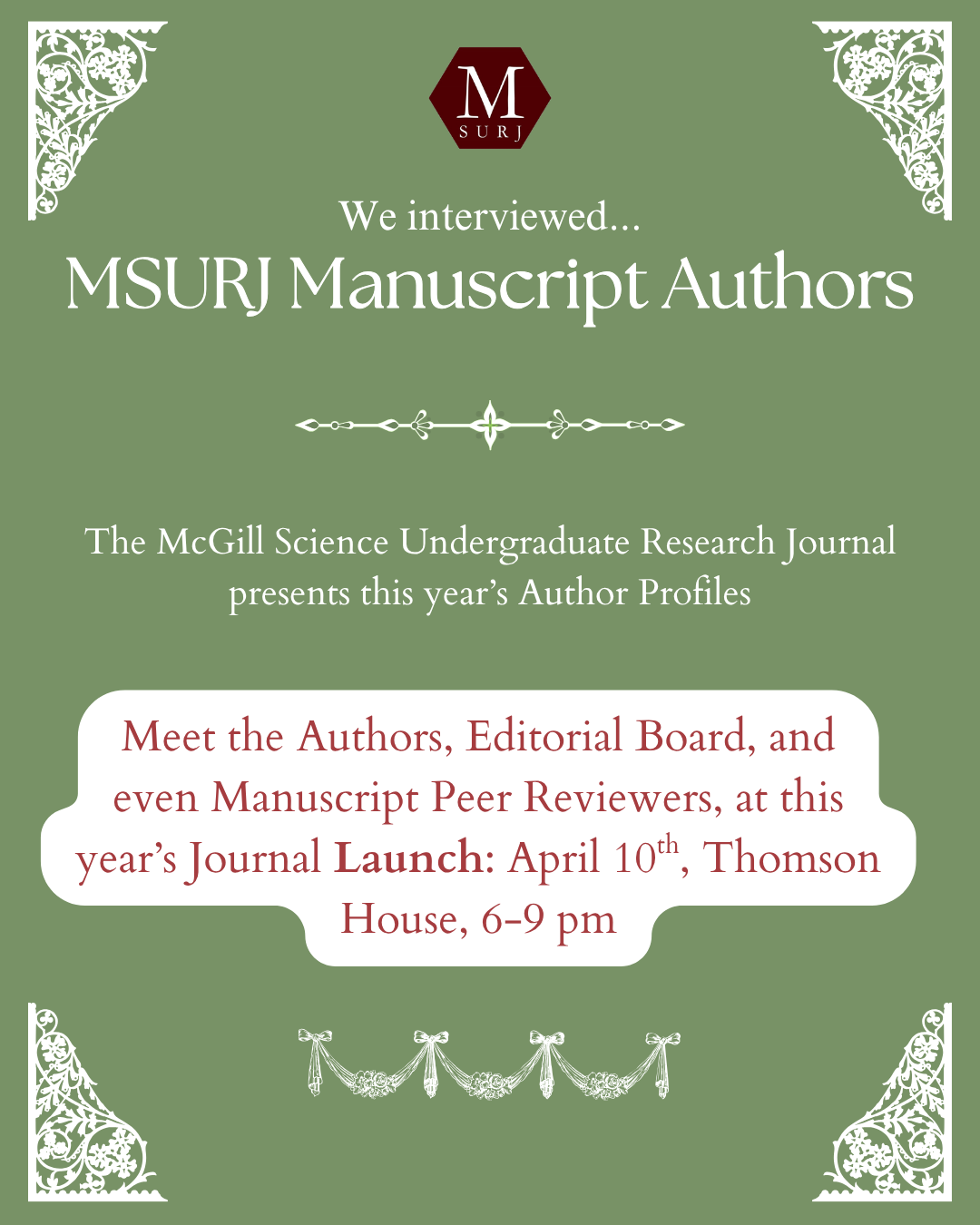
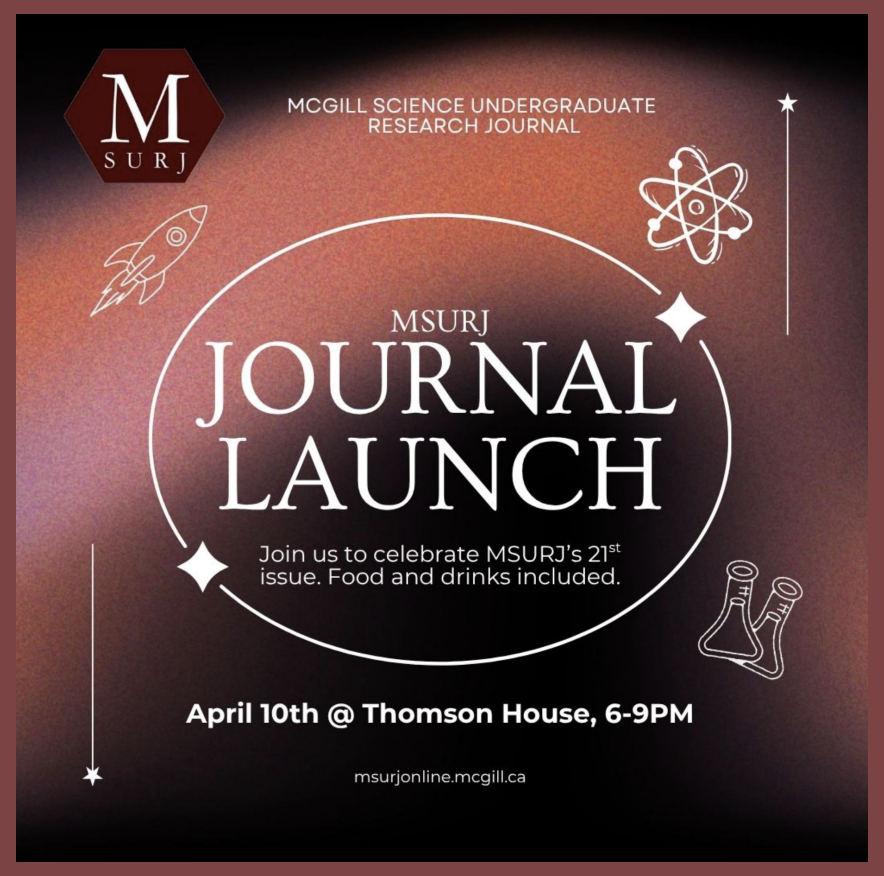
The McGill Science Undergraduate Research Journal (MSURJ) is proud to be publishing its 21st volume! We are celebrating the launch of our journal at Thomson House (3650 McTavish) at 6 PM on April 10th, 2026.
Keep reading to learn more about the authors of our manuscripts this year and their research. And make sure to come to celebrate with us, the manuscript authors, and peer reviewers at the launch!
MSURJ Articles, 2026:
- Effects of Electrical Stimulation on Germination and Early Seedling Growth in Zea mays subsp. Mays
- Species Composition and Morphological Variation of Crayfish in the Gault Nature Reserve
- Time-independent perturbation theory: degeneracy lifted to the second order
- Spatial Modeling of Canadian Boreal Peatland Carbon Sinks : An Integrative Framework to Support Climate and Development Policy
- Positive Selection on MAMLD1 Gene Human Lineage Suggests Pleiotropic Adaptation During Evolution
- Personality and Wellbeing: How Conscientiousness and Openness Influence Wellbeing Through Intrinsic and Extrinsic Goal Aspirations
- Stewart Physicochemical Interpretation of Cerebrospinal Fluid Acid–Base Physiology in Critical Illness
- Effects of Candida albicans-derived Farnesol and Tyrosol on Quorum-Sensing Pathways in Pseudomonas aeruginosa Biofilms: Implication for Antimicrobial Resistance
Effects of Electrical Stimulation on Germination and Early Seedling Growth in Zea mays subsp. Mays
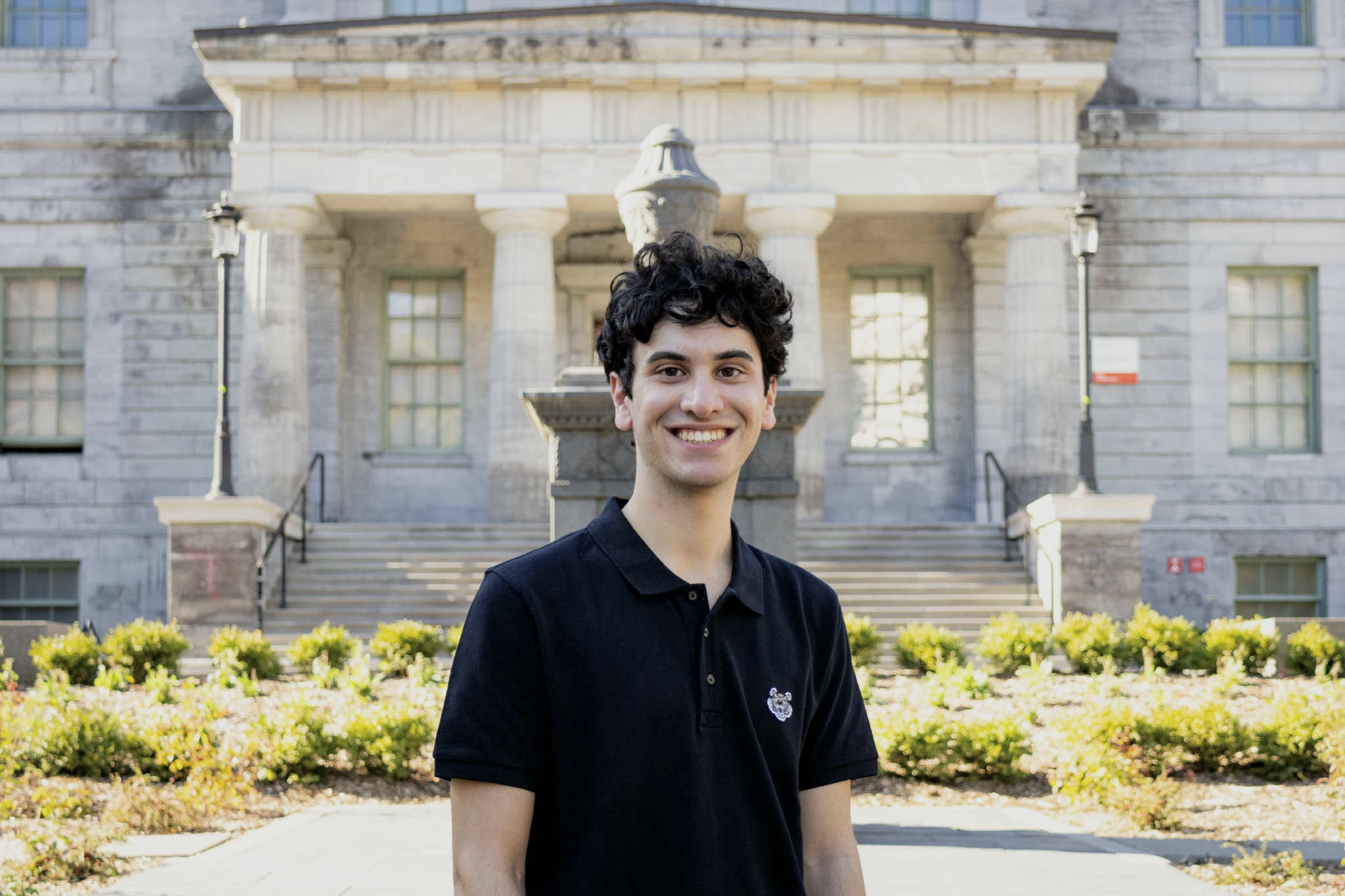
Author: Bryan-Eli Khoury, Department of Biology at McGill University
Tell us a bit about yourself
I am a U2 student pursuing a B.Sc. in Biology at McGill. I am deeply passionate about building a future in both the medical field and academia, drawn not only to the direct impact of healthcare but also to the role research plays in advancing scientific knowledge and improving lives.
Can you give a brief summary of the review/research you submitted to MSURJ and its importance?
My study explored whether electrical stimulation at different voltage levels could affect the germination and early root and shoot growth of corn seedlings. I found that while germination itself was not significantly improved by stimulation, a moderate voltage appeared to promote stronger early root growth. This is important because early seedling establishment plays a major role in plant health and agricultural productivity, and exploring simple, low-cost methods could contribute future strategies to improve crop development.
What motivated you to conduct research on your topic?
What motivated me most was the belief that impactful research can emerge from simple but well-designed questions. I wanted to test whether something as accessible as electrical stimulation from batteries applied to corn seeds could yield biologically meaningful effects. Even with a modest setup, the project generated an extremely relevant insight into early root growth. That was especially meaningful to me because it showed that research does not need to be elaborate to contribute value; sometimes, carefully investigating a simple idea can provide important observations.
Are there any words of advice that you would give to undergraduates interested in gaining research experience?
My biggest piece of advice would be not to underestimate either your ideas or your ability to contribute meaningfully to research as an undergraduate. It can be easy to assume that your work is too simple or not important enough to pursue or publish, but even relatively modest projects can generate valuable insights. The knowledge, discipline, and confidence you gain throughout the process are incredibly worthwhile. Research is not only about producing results; it is also about learning to ask good questions, think critically, and grow as a scientist.
I also strongly encourage undergraduates to seek guidance and collaboration whenever possible. Working with a supervisor, graduate student, or even a motivated peer can make the research process much more enriching, because you gain feedback and support that strengthen both the project and your development as a researcher. Most importantly, do not be afraid to start. The field of research is huge and full of possibilities, and often the most important step is simply having the curiosity to begin exploring a question that genuinely interests you.
What were the biggest challenges you faced conducting this research?
One of the greatest challenges was not only coming up with the research idea but refining it into a study that was rigorous and interesting enough to merit publication and contribute meaningfully to the field. Asking a question is only the beginning; the more difficult task is designing an experiment carefully enough that the findings are credible, relevant, and worth sharing with a wider scientific audience. Since my project relied on a relatively simple setup, I had to be especially thoughtful about methodology, consistency, and how I interpreted the results. This experience taught me that meaningful research depends not just on curiosity, but also on the ability to transform a simple idea into a well-executed, scientifically worthwhile study.
How was the publishing/peer review process beneficial to you?
The publishing and peer review process was highly beneficial to me because it pushed me to look at my work more critically and refine it to a much higher standard. It taught me that research does not end once data is collected. An equally important part of the process is learning to communicate findings clearly. Going through revisions helped me better understand what makes a study not only interesting, but also rigorous and publication-worthy. More broadly, the experience gave me valuable insight into how scientific work is evaluated and improved before it becomes part of the academic conversation, which are important teachings for any aspiring scientist.
Research is often a challenging and collaborative process. In completing your review/research, Is there anyone you would like to thank or acknowledge, and why?
I would like to sincerely thank Lara Nahas Feghali and the MSRUJ team for their valuable support throughout the development of this project. Their combined expertise in biology and scientific writing provided meaningful guidance and encouragement throughout the experimental and manuscript preparation stages of this research.
Species Composition and Morphological Variation of Crayfish in the Gault Nature Reserve
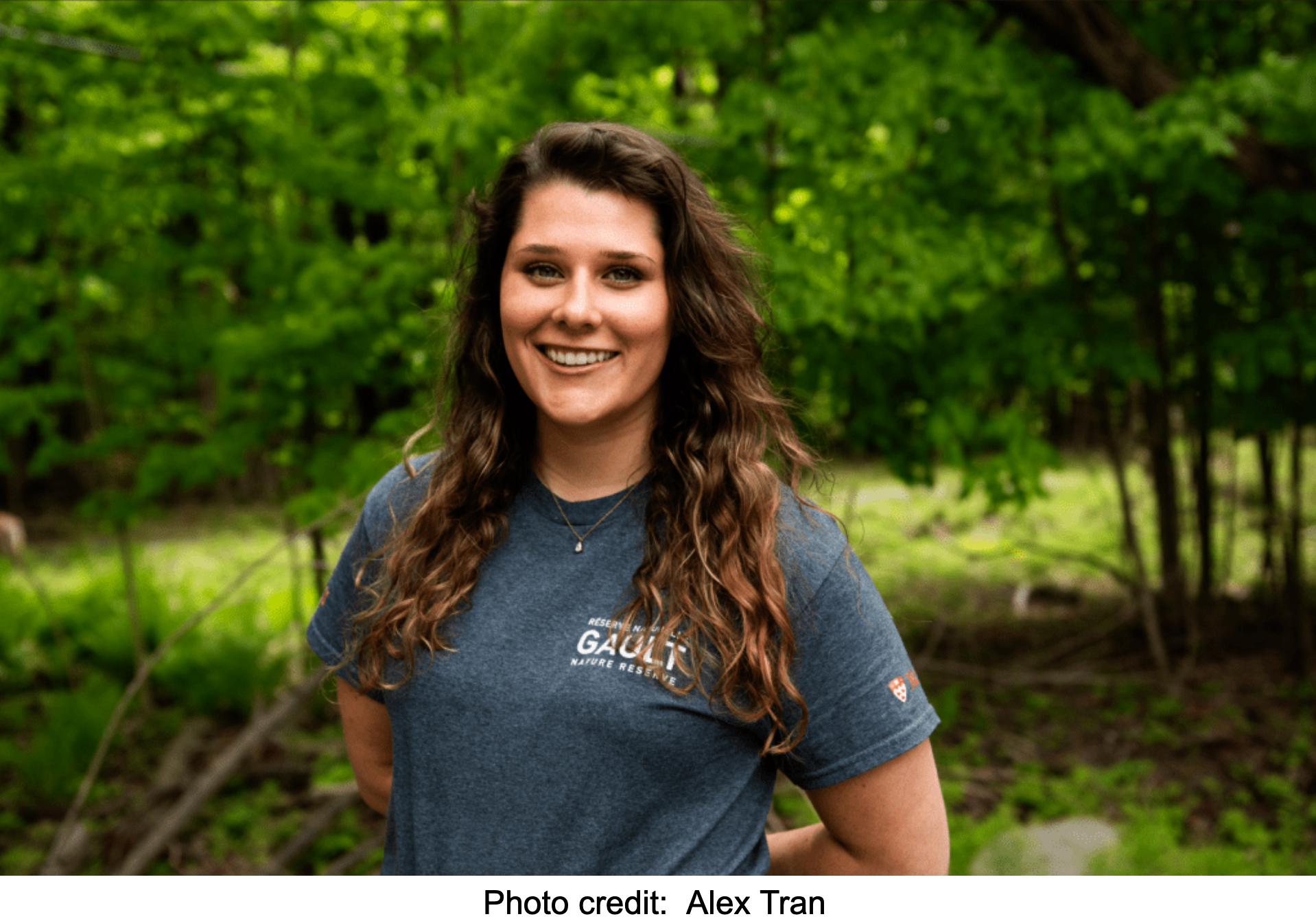
Primary Author: Corinne Lapierre, Department of Biology, McGill University
Tell us a bit about yourself
I recently completed my Bachelor of Science in Biology at McGill University, with minors in Geology and Field Studies, and I am hoping to begin a master’s in biology this fall. During my undergraduate degree, I became especially interested in ecology, conservation, and organismal research through field courses, independent research projects, and hands-on work at places like the Gault Nature Reserve.
Can you give a brief summary of the review/research you submitted to MSURJ and its importance?
My paper focused on crayfish in McGill’s Gault Nature Reserve and provided, to our knowledge, the first documented record of crayfish species there. We found two species occupying different habitats: Faxonius virilis in Lake Hertel and Cambarus bartonii in a nearby stream. We then compared their morphology and explored whether their colouration matched their habitat substrate. This study is important because, while crayfish are ecologically important freshwater organisms, freshwater biodiversity is often understudied, even in well-known research reserves. Our work helps fill a local knowledge gap and lays the groundwork for future conservation research and efforts.
What motivated you to conduct research on your topic?
What motivated me most was my experience working at the Gault Nature Reserve for two summers as a field assistant. It is a place where so many valuable research projects and conservation efforts are happening, which made me appreciate how important the reserve is for both science and biodiversity protection. At the same time, I noticed that although there is important freshwater research at the reserve, including work on microorganisms through projects like LEAP and the Lac Hertel mesocosms, there seemed to be less attention given to freshwater animals. The summer before this project, I found a crayfish in the lake, but interestingly, I could not find published information about crayfish at the reserve. When I later took the course, I saw it as a great opportunity to investigate an understudied part of the reserve and contribute to something new.
Are there any words of advice that you would give to undergraduates interested in gaining research experience?
I would strongly encourage undergraduates to take independent research project courses and field courses if they have the opportunity. They are a great way to gain real research experience, from designing a study to collecting data and communicating results. I would also say not to wait too long to submit your work or put yourself out there.
What were the biggest challenges you faced conducting this research?
One of the biggest challenges was that this research was conducted during a field course, so we had a very short timeline to develop the project, collect data, and carry out the study. It was challenging to build a project from start to finish in just a couple of days while also dealing with the practical limits of field sampling. However, that challenge also made the project especially valuable, because it created a strong foundation that future, longer-term studies can build on.
How was the publishing/peer review process beneficial to you?
The publishing and peer review process was extremely beneficial because it helped me better understand how scientific publication works in practice. Since I hope to continue in academia and research, it was really valuable to receive detailed, personalized feedback on my work throughout the publication process. The reviewer’s comments helped me improve the paper, and they also gave me lessons that I will keep in mind for future research projects and writing.
Research is often a challenging and collaborative process. In completing your review/research, Is there anyone you would like to thank or acknowledge, and why?
I would like to thank MSURJ for being so supportive throughout the process. Their team was very helpful, answered questions quickly, and provided useful guidance that made the publication experience much more approachable. I would also like to acknowledge the BIOL 331 field course context in which this research was conducted, because it gave me the opportunity to carry out this project and develop it into a manuscript.
Time-independent perturbation theory: degeneracy lifted to the second order
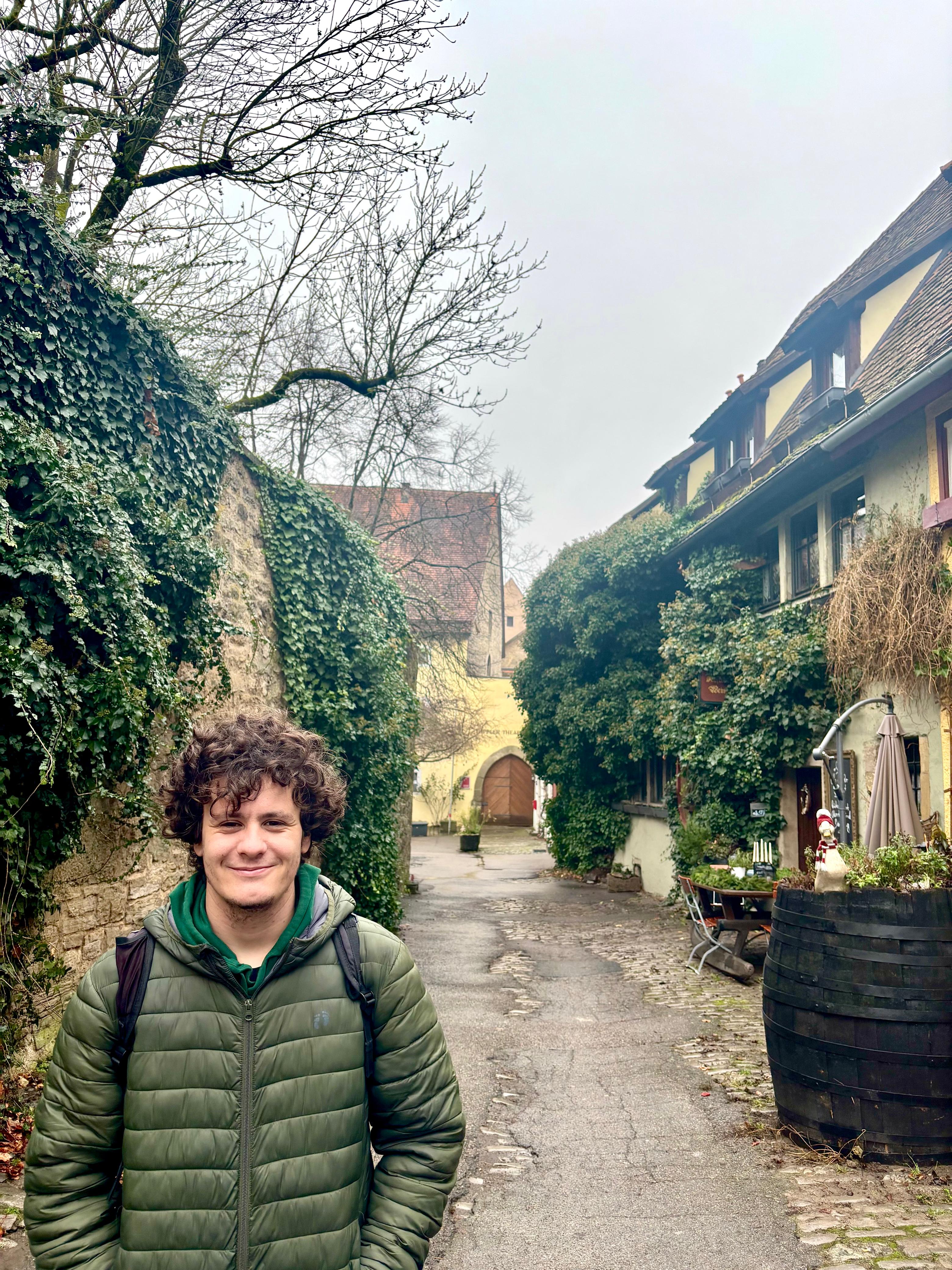
Primary Author: Juan Álvarez Ruiz, University of Santiago de Compostela
Tell us a bit about yourself
I completed my bachelor’s degree at the University of Santiago de Compostela (USC) in Spain. I am currently completing my masters studies in Heidelberg, Germany.
Can you give a brief summary of the review/research you submitted to MSURJ and its importance?
The research presented to MSURJ stems from work initiated during my participation in the Summer Fellowships at IGFAE 2023, where I collaborated with my supervisor, Meijian Li. The results are important because they generalize well-known perturbation techniques used in Quantum Mechanics to more complex scenarios, allowing for analytical calculations in systems with a wide variety of degeneracies.
What motivated you to conduct research on your topic?
The main motivation for this research arises from work on a different topic:the Hamiltonian formalism in QCD. In the expanded Fock space, where coupling through the bare quark and quark-gluon sectors is allowed, the degeneracy is not lifted at first order, a non-standard scenario that motivated us to study this case in greater detail within the broader context of perturbation theory.
Are there any words of advice that you would give to undergraduates interested in gaining research experience?
I would advise you to be curious, ask professors about their research, and dive into the literature of the courses you most enjoy. You will find amazing physics!
What were the biggest challenges you faced conducting this research?
When doing research, you step into the unknown. For the first time, I was approaching a problem for which I couldn’t look up the answer.This is, to me, is at the same time the biggest challenge and one of the best things about doing research.
How was the publishing/peer review process beneficial to you?
It was very beneficial; it helped me find new literature, improved my academic writing, and also generally improved the quality of my article.
Research is often a challenging and collaborative process. In completing your review/research, Is there anyone you would like to thank or acknowledge, and why?
First, I would like to thank Meijian Li, coauthor of the article and my supervisor during the IGFAE Summer Fellowships 2023. I would also like to thank my family and friends for their huge support, which keeps me motivated and focused on my love for physics.
Spatial Modeling of Canadian Boreal Peatland Carbon Sinks : An Integrative Framework to Support Climate and Development Policy
Primary Author: Sophie Piret, Department of Earth and Planetary Sciences, McGill University
Tell us a bit about yourself
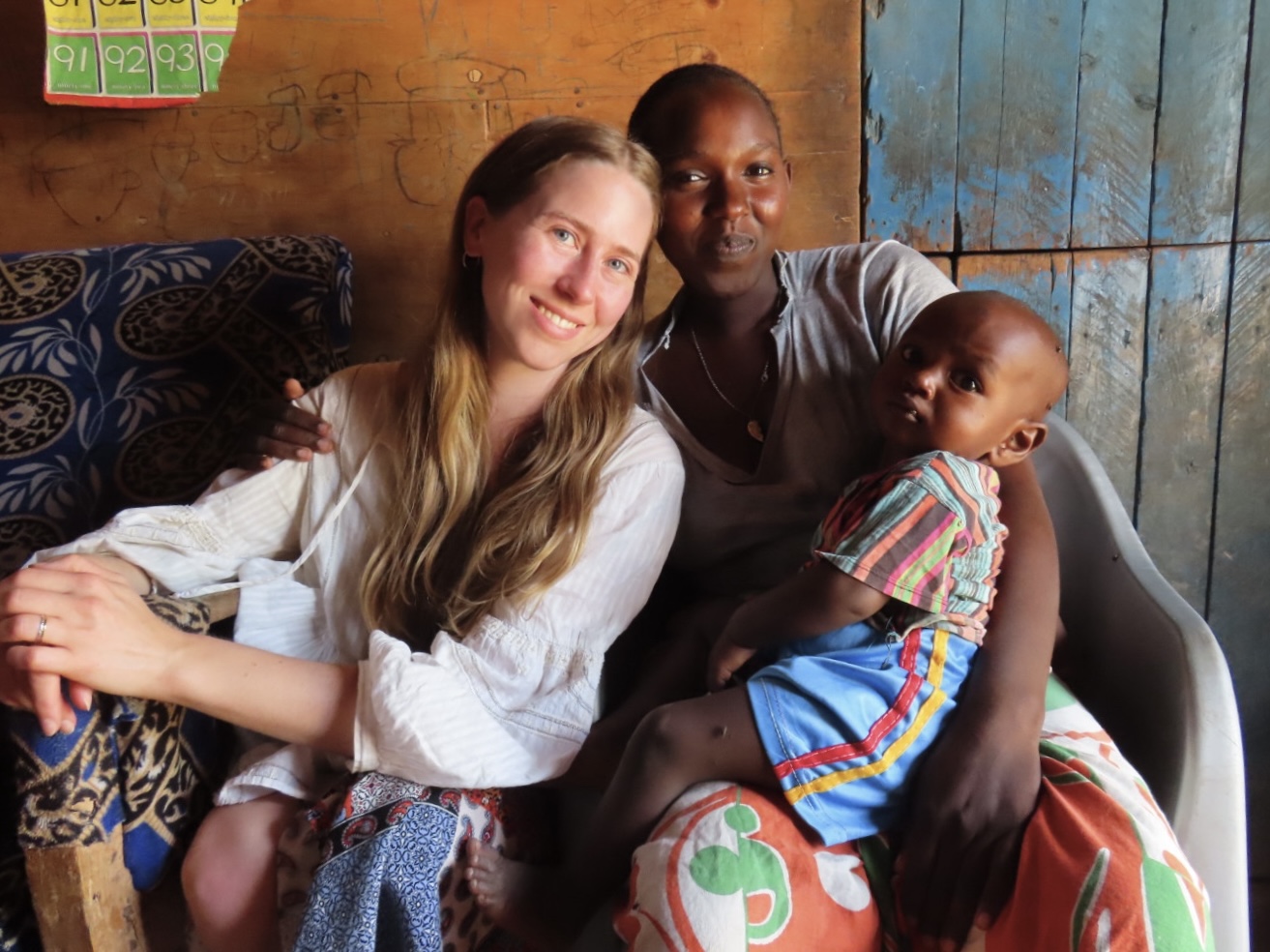
I am originally from Vancouver and am in the final year of my Earth System Science degree at McGill University. This semester, I am in East Africa as part of a field study program, where I am exploring the impacts of conservation on the livelihoods and experiences of local communities.
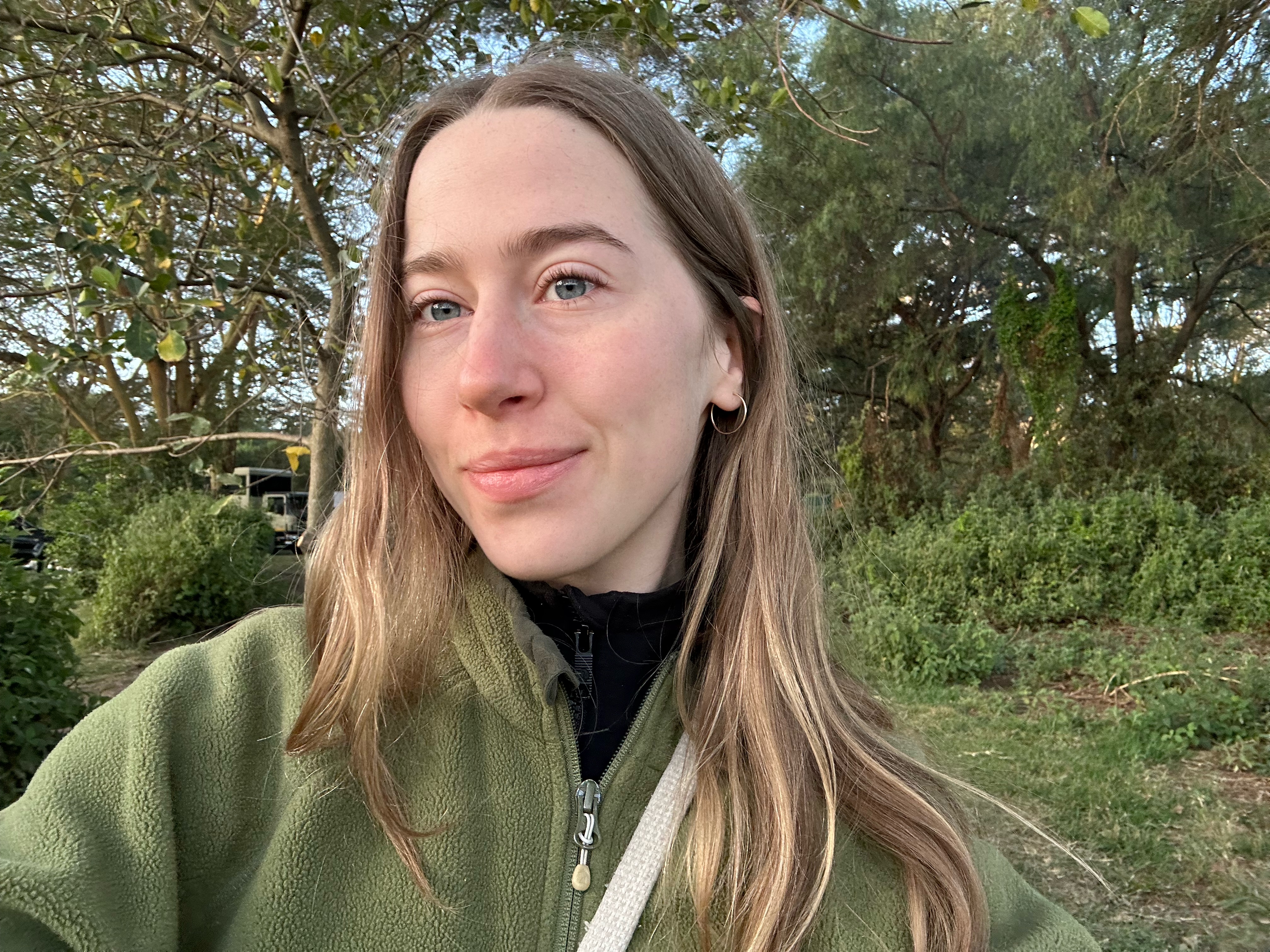
Can you give a brief summary of the review/research you submitted to MSURJ and its importance?
Our paper explores how we can identify Canadian boreal peatlands that could be especially important for conservation. We developed a spatial model using climatic data to predict carbon sink strength across boreal Canada and combined it with human development data to create a screening tool for identifying areas where conservation may provide strong climate benefits with relatively low development pressure. This felt especially important because Canada contains vast peatland ecosystems that store enormous amounts of carbon, yet many remain vulnerable and underprotected.
What motivated you to conduct research on your topic?
I am motivated by research that offers hopeful and practical ways to respond to climate change while also protecting valuable habitats, ecosystem services, and biodiversity. That motivation is also deeply personal to me. Growing up in Vancouver, I lived next to a bog, where my father often took me on walks and taught me about the ecosystem. I gradually became especially interested in soil science and understanding how carbon sequestration can contribute to nature-based climate solutions. In my second year of undergrad, a guest speaker gave a talk on peatlands and soil carbon that left a lasting impression on me and confirmed my interest in studying these ecosystems more seriously.
Are there any words of advice that you would give to undergraduates interested in gaining research experience?
One piece of advice I would give to undergraduates interested in gaining research experience is to find a mentor or supervisor you feel comfortable turning to with questions. The research and peer review process can feel intimidating without prior experience, so having someone who can provide guidance is invaluable. I would also encourage students to pursue work that genuinely interests them. In my experience, it is much easier to stay committed to demanding research when the project reflects your true interests, and much more rewarding when it is something you genuinely care about.
What were the biggest challenges you faced conducting this research?
One of the biggest challenges I faced in this research was completing the revision process while I was in Uganda. Incorporating the peer reviewers’ comments required balancing unreliable internet and reception, frequent travel, and daily fieldwork, which made the final stages of the paper particularly demanding. At the same time, I found the experience very rewarding, as it taught me a great deal about perseverance and adaptability in the research process.
How was the publishing/peer review process beneficial to you?
The publishing and peer review process was an especially valuable learning opportunity. As my first experience with academic publishing, it strengthened my writing, challenged me to think more carefully about how I communicate research, and left me feeling more prepared for graduate school. I found it especially rewarding to see a project I had invested so much in develop into something I was truly proud of.
Research is often a challenging and collaborative process. In completing your review/research, Is there anyone you would like to thank or acknowledge, and why?
I would like to thank my co-author, Quinn Saul, without whose contributions and remarkable drive this study would not have been possible. I am also deeply grateful to my mentor, Hélène Côté, for teaching me about the publication process and providing valuable guidance along the way. Finally, I would like to thank Dr. Geneviève Ali and Dr. Peter Douglas for their support and encouragement during the early stages of our research.
Positive Selection on MAMLD1 Gene Human Lineage Suggests Pleiotropic Adaptation During Evolution
Author: Yunhua Ren, Temerty Faculty of Medicine, University of Toronto

Tell us a bit about yourself
I graduated from University of Toronto St. George Campus in 2024 and I am continuing my graduate studies with the Physiology Department at UofT’s Temerty Faculty of Medicine.
Can you give a brief summary of the review/research you submitted to MSURJ and its importance?
My research was conducted as part of the undergraduate course HMB460H1: Molecular Evolution and Genomics at UofT. In this course, I examined the evolutionary history of the MAMLD1 gene, a regulatory factor involved in male urogenital development. Using comparative genomic analysis across primates, I found evidence of positive selection at specific coding sites, suggesting the gene has undergone adaptive evolution. This is important because it links gene regulatory evolution to human development and disease, showing how changes in regulatory genes can contribute to phenotypic diversity and conditions like hypospadias.
What motivated you to conduct research on your topic?
I was interested in how gene regulation, rather than just protein-coding changes, contributes to human traits and disease. MAMLD1 was particularly compelling because it is both clinically relevant and suggested to be under positive selection, which raised questions about how functional constraints and adaptation coexist. I also wanted to build on previous studies by testing these signals more rigorously using a controlled comparative framework.
Are there any words of advice that you would give to undergraduates interested in gaining research experience?
The most important thing is to start early and not wait until you feel “fully prepared.” Secondly, be intentional about choosing projects that genuinely interest you, even if they feel challenging. Research can be slow and sometimes frustrating, so having real curiosity about the question makes a big difference in staying motivated.
I’d also recommend reaching out proactively to professors or labs. A lot of research skills are learned by doing. Even if you don’t have extensive experience, showing initiative, being reliable, and demonstrating a willingness to learn often matters more.
Finally, don’t be discouraged by setbacks. In my experience, experiments failing or analyses needing to be redone is a normal part of the process. Those moments are actually where you learn the most and develop problem-solving skills.
What were the biggest challenges you faced conducting this research?
One of the biggest challenges was distinguishing true signals of positive selection from artifacts of the analysis. Codon-based models like those in PAML are powerful, but they’re also sensitive to factors like sequence quality, alignment accuracy, and model assumptions. Ensuring that the signals I observed were biologically meaningful, rather than false positives, required careful model comparison and interpretation.
Another challenge was working with a relatively limited dataset of orthologous sequences. While increasing the number of species improves statistical power, it also introduces complications like ensuring correct ortholog identification and avoiding paralogs, which could bias the results.
How was the publishing/peer review process beneficial to you?
The publishing and peer review process was valuable because it pushed me to refine both the rigor of my analysis and the clarity of my scientific communication. Getting feedback from reviewers highlighted areas where my interpretations needed to be more cautious or better supported, especially when discussing positive selection and its biological implications. The process helped me strengthen my arguments and avoid overgeneralizing conclusions from the data. It also improved the structure and readability of my manuscript. I had to think more carefully about how to present methods, justify model choices, and clearly connect results to the broader research question, which made the work more accessible and logically cohesive.
Research is often a challenging and collaborative process. In completing your review/research, Is there anyone you would like to thank or acknowledge, and why?
I would especially like to acknowledge my instructors, Dr. David M. Irwin and Belinda Chang, whose guidance and feedback were essential throughout this project. Their expertise in molecular evolution helped me better understand both the technical aspects of codon-based models and the importance of interpreting results cautiously.
I’m also grateful for the course structure itself, which provided a strong framework for developing the project step by step, from hypothesis formation to data analysis and writing. That structured mentorship made it possible to take on a complex evolutionary question with confidence.
More broadly, I would like to acknowledge the collaborative nature of the scientific community, including researchers whose prior work on MAMLD1 and positive selection laid the foundation for my study. Their contributions made it possible to build on existing knowledge and explore the question more deeply.
Personality and Wellbeing: How Conscientiousness and Openness Influence Wellbeing Through Intrinsic and Extrinsic Goal Aspirations
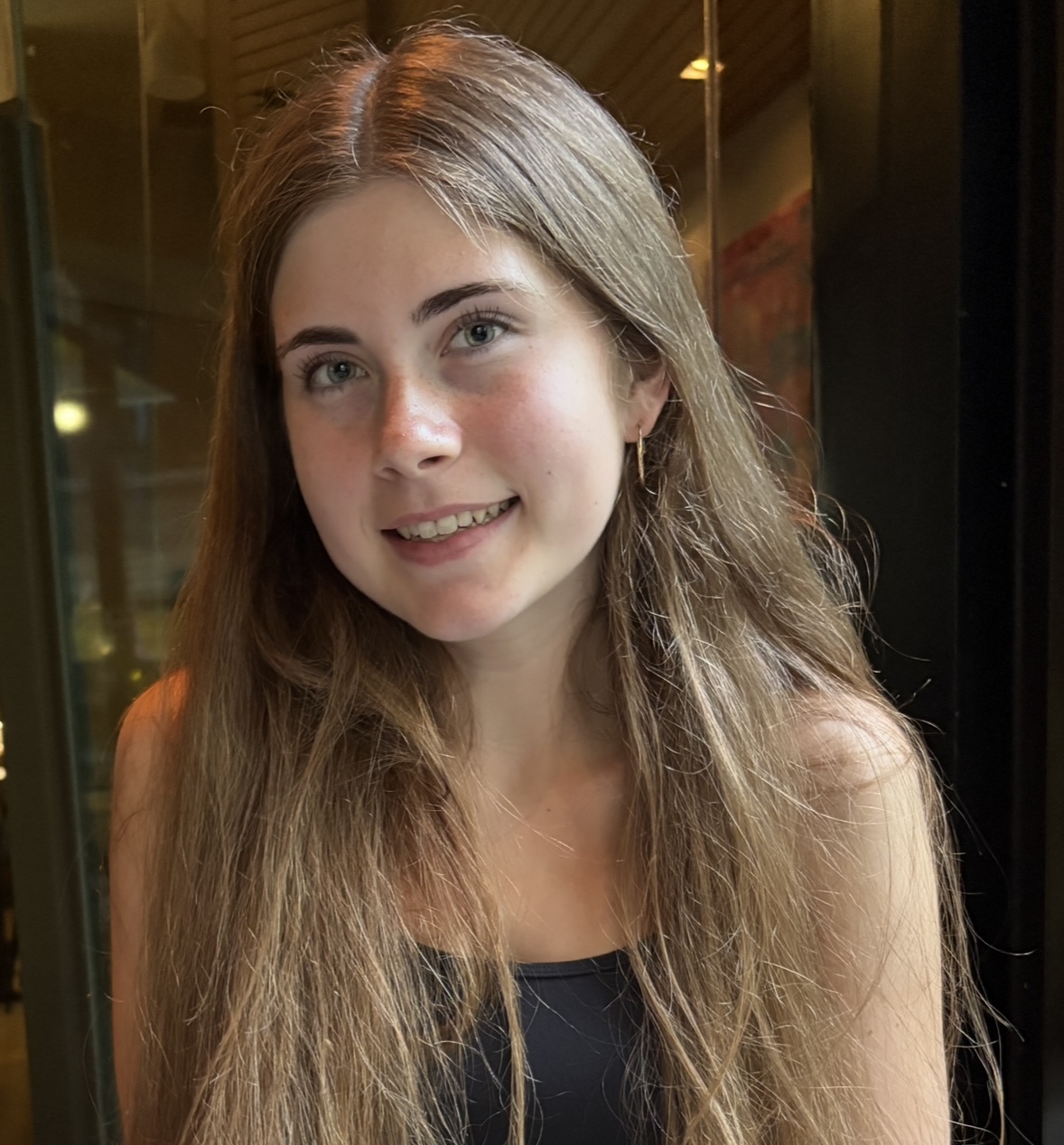
Author: Georgia Roberts, Department of Psychology, University of Toronto
Tell us a bit about yourself
I’m currently finishing my Honours Bachelor of Science in Psychology at the University of Toronto, where I’ll be graduating this spring.
Can you give a brief summary of the review/research you submitted to MSURJ and its importance?
My research project investigated how different personality traits relate to the kinds of goals people pursue and what they aspire to achieve. The idea is that these goals might partly explain the link between personality traits, like conscientiousness and openness, and overall well-being. This is important because it helps us understand why people with certain personality traits tend to have higher well-being, which could help us provide ways to support and improve well-being more broadly.
What motivated you to conduct research on your topic?
I’ve always been interested in well-being, as I think it’s one of the most important parts of being human. I find it really interesting to break it down into its different components and explore how it connects to individual differences, like personality.
Are there any words of advice that you would give to undergraduates interested in gaining research experience?
I’d suggest getting involved in research as early as you can and not being afraid to ask questions. Also, put yourself out there and share your research ideas. Professors and researchers are usually really open to hearing them. You never know who might be willing to support you and help you work toward your research goals!
What were the biggest challenges you faced conducting this research?
One thing I’ve struggled with is narrowing down my research questions. When you have a lot of ideas, it can be hard to focus on just a small subset of your interests. That’s why it’s so helpful to have people to bounce ideas off of.
How was the publishing/peer review process beneficial to you?
Peer review was really helpful because after spending so much time on a paper, it’s easy to become blind to small errors or oversights. It gave me a chance to step back and see my work from the perspective of someone less familiar with it, which helped me improve my manuscript.
Research is often a challenging and collaborative process. In completing your review/research, Is there anyone you would like to thank or acknowledge, and why?
I’d like to thank my amazing supervisor, Dr. William Ryan! He took me on as a research assistant in my second year and helped me build the skills and confidence to develop my own research ideas. He also supported and guided me closely throughout this entire project. I’d also like to thank the WISH (Wellbeing, Identity, Stigma, and Health) Lab for all their support throughout this process!
Stewart Physicochemical Interpretation of Cerebrospinal Fluid Acid–Base Physiology in Critical Illness
Author: Samuel Qu, Department of Physiology, McGill University
Effects of Candida albicans-derived Farnesol and Tyrosol on Quorum-Sensing Pathways in Pseudomonas aeruginosa Biofilms: Implication for Antimicrobial Resistance
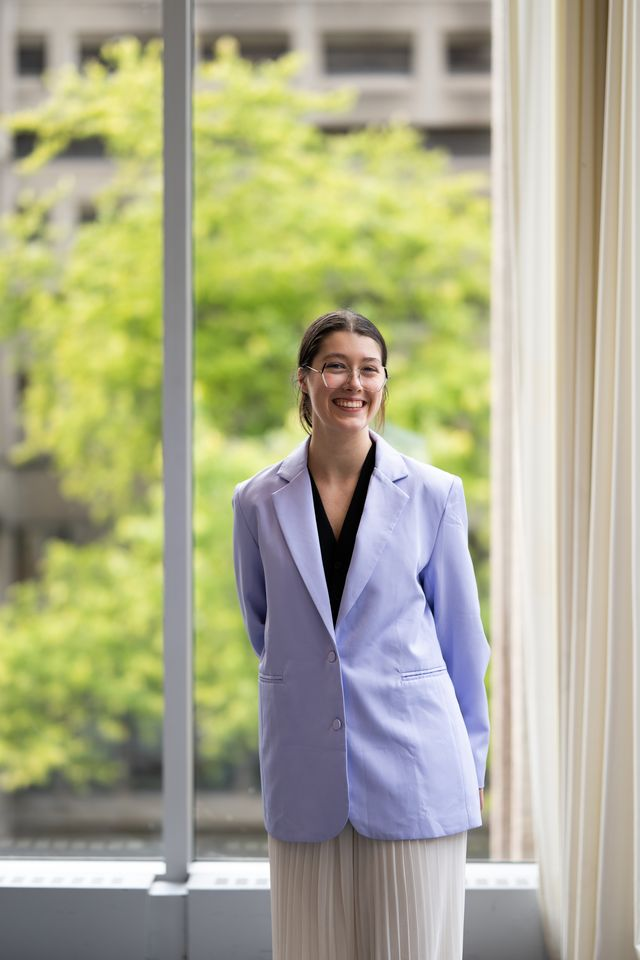
Author: Bianka Dusseault, Department of Earth and Planetary Sciences, McGill University
Tell us a bit about yourself
My name is Bianka Dusseault, and I am currently studying Honors Environmental Sciences at McGill University, specializing in Ecological Determinants of Health. I am a U3 student with interests spanning health, environment, and art.
Can you give a brief summary of the review/research you submitted to MSURJ and its importance?
Many of us don’t instinctively think of bacteria as social organisms. Yet, much like humans, they can “communicate” and coordinate collective behaviors. One striking example is biofilm formation—a structured, multi-layered, gelatinous matrix that brings together large communities of bacteria. Owing to this complex architecture, biofilms can be up to 1,000 times more tolerant to antibiotics than individual, free-floating bacterial cells. This has implications for the development of antimicrobial resistance, especially in patients with chronic wounds and those with cystic fibrosis, where last-resort antibiotics are failing.
My review thus investigates how fungal-derived natural compounds can disrupt P. aeruginosa communication pathways in biofilms while minimizing selective pressure on strains. By disorganizing P. aeruginosa defenses, antibiotics can hopefully be more effective.
What motivated you to conduct research on your topic?
This research emerged from a science communication competition, where I used the opportunity to combine my two passions: science communication and antimicrobial resistance. As someone drawn to interdisciplinary work, I find intersections between fields particularly useful in challenging current frameworks and uncovering new avenues of research. In this project, I combined environmental and health perspectives to analyze biofilm treatment through a new lens.
Are there any words of advice that you would give to undergraduates interested in gaining research experience?
Don’t wait for opportunities to fall into your hands; actively create them. Ask your profs questions, reach out to researchers you admire, and be curious. The undergraduate period is an ideal time to explore different interests, even in research, as many skills are transferable!
An unusual path is through writing competitively, which I pursued. Research competitions allow you to conduct independent research, and put yourself out there–and sometimes they can bring you opportunities that you have never thought possible.
Finally, be proactive and persistent in your approach, showing genuine interest in the topic and the team that conducts it. As a basketball player, I would say, “shoot your shot.” If you don’t try it, one outcome is certain: nothing will happen!
What were the biggest challenges you faced conducting this research?
Literature reviews are not necessarily taught first-hand in class, which means it can be challenging to figure out how to get started on your own. From researching articles to synthesizing my findings, I experienced the nonlinearity of the process, where, in retrospect, the steps backward were necessary to move forward. Science has many highs, lows, and detours that will bring you to reconsider your thoughts and uncover new avenues–it’s important to appreciate all of them.
How was the publishing/peer review process beneficial to you?
It was useful in revisiting how ideas were conveyed. The peer-review process was very fruitful in highlighting areas of my piece that needed clarification or additional research, both of which were necessary to strengthen my review. It also allowed me to practice synthesizing ideas in a review format, which was different from other forms of scientific writing I have engaged with before.
Research is often a challenging and collaborative process. In completing your review/research, Is there anyone you would like to thank or acknowledge, and why?
As this was self-directed research, I would like to thank my family for all the hours spent listening to me ramble about my research. I also extend my gratitude to the McGill Scientific Writing Initiative for providing me with a platform to showcase my work, and to Laura, an MSURJ editor, for her guidance during the writing process.
Acknowledgements
We’d like to thank the manuscript authors of MSURJ’s 21st edition for taking the time to complete their author profiles. We hope to see you all at our launch event (details below)!
Curious About Publishing in MSURJ?
Visit the MSURJ website for more details. You can find our manuscript submission guidelines here.
Thanks for reading!
The McGill Science Undergraduate Research Journal Editorial Board

 The Abstract