
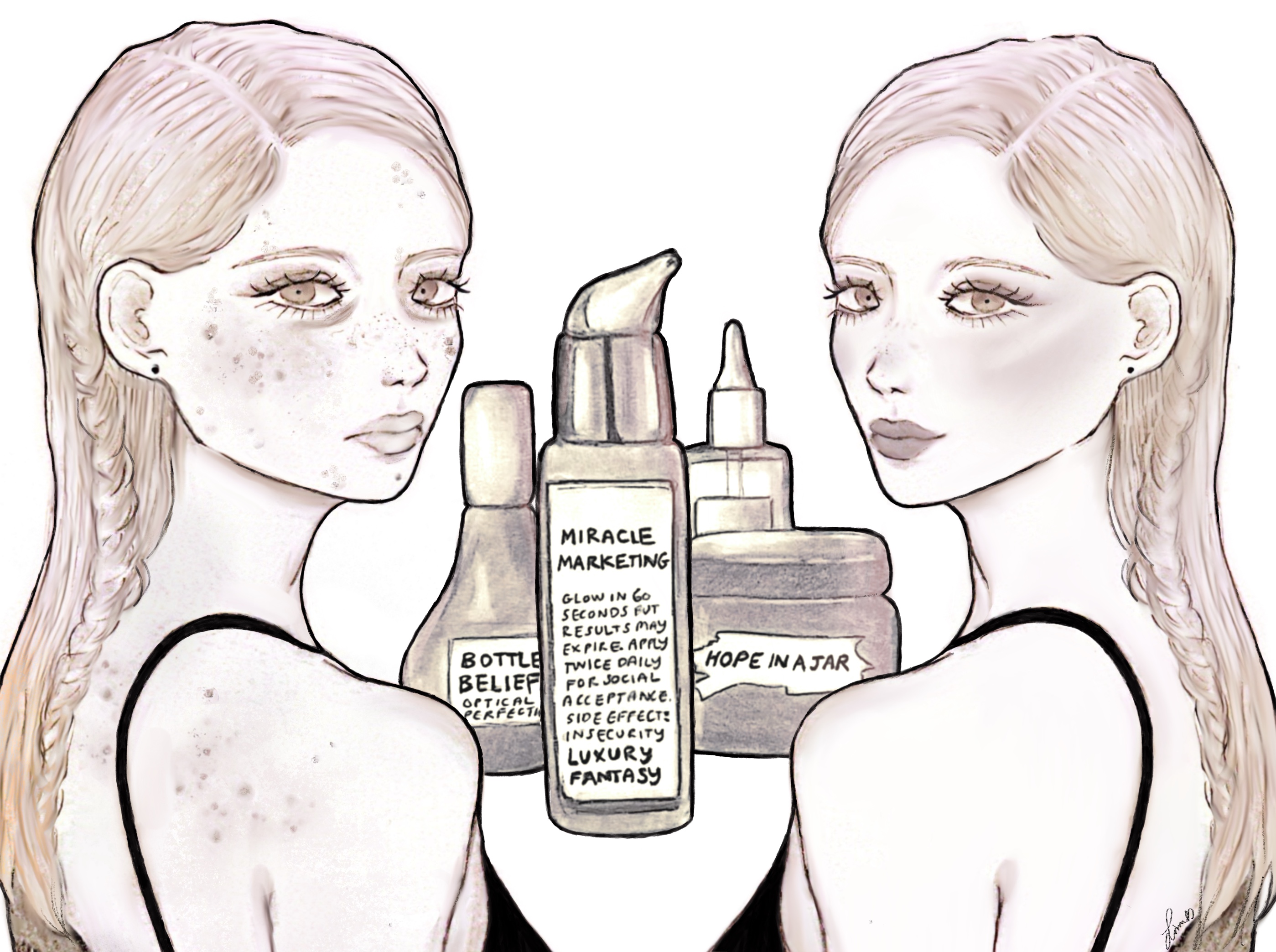
Cover Image: Linnea Chassort, January 2026
By: Parmida Talebi, Contributing Writer
The skincare industry thrives on dreams. Dreams that acne can vanish overnight, that dull skin can be transformed into glass-like radiance, that youth can be captured in a bottle. Marketing for these products often leans on scientific-sounding language, drawing consumers in, while exaggerating the realistic effects they can achieve. On social media, companies and influencers alike promote multistep routines that cost hundreds of dollars, replacing the simple cleanser and moisturizer that once sufficed. 1 They amplify these messages through brand deals, which encourage them to frame sponsored products as essential parts of their own daily routines rather than explicit advertisements. Their followers, who look up to them as role models, start to believe that buying these products is necessary and feel pressure to conform. Aggressive marketing establishes a fear-driven environment using the power of exclusivity, where consumers feel compelled to buy products before they are gone, or to adopt the latest routine.2
The “miracle” narrative, combined with social pressure and carefully crafted campaigns, has propelled certain products to viral fame. This article will examine three such products, each representing a different aspect of “miracle” marketing that consumers fall for. Crème de la Mer embodies luxury and mystique, built around a high-technology process that makes the product feel almost magical. Sunday Riley’s Good Genes takes advantage of marketing buzzwords to promise immediate results, whereas Glow Recipe’s Niacinamide Dew Drops shows the role of social media and influencer-driven trends in shaping consumer expectations. Together, these products highlight how marketing psychology is manipulated to make ordinary products seem extraordinary, even though their effects are superficial and can only partially live up to their claims.
La Mer’s Crème de la Mer
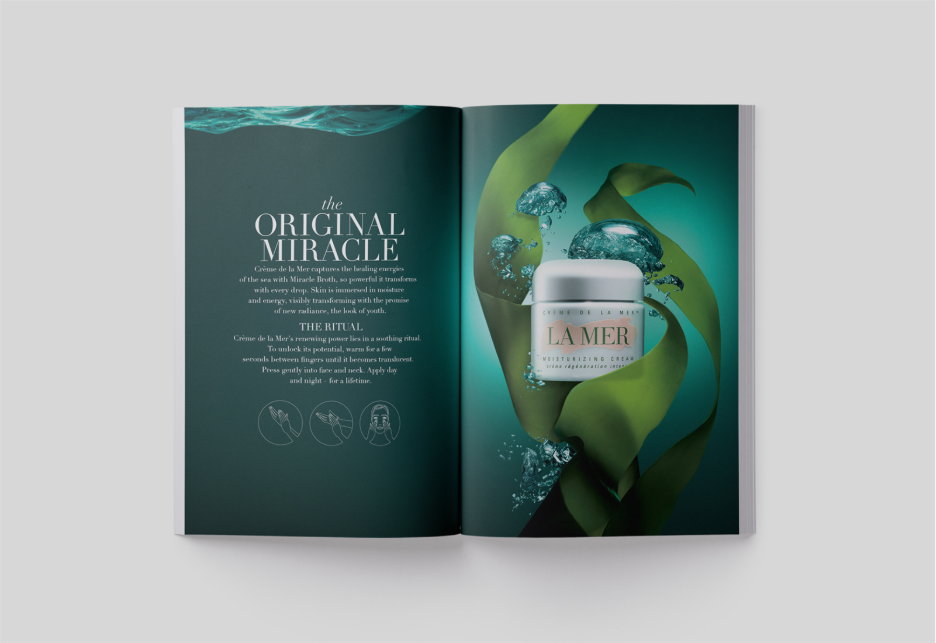
One of the most enduring examples of skincare “miracle” marketing is none other than La Mer’s Miracle Broth™, the signature component of Crème de la Mer.3 Coined as a “living elixir” by La Mer, the formula is a fermented blend of giant sea kelp combined with various micronutrients. This process, which spans several months, is supposed to alter the biological activity of the ingredients.3 Their promotion frames this production method as one that supports skin regeneration, repair, and a reduction in visible signs of aging.3
La Mer’s own clinical testing, as presented on their website, reports significant improvements in hydration, barrier strength, fine lines, uneven texture, and redness after consistent use.4 For instance, one study noted that over two weeks, barrier resistance improved by over 80%.4 However, La Mer conducted these studies on modest sample sizes of 31-58 participants.4 While this number is enough to see trends of the product’s impact, it cannot reliably show that the same would happen in thousands or millions of consumers with diverse skin types.
A closer look at the ingredient list shows that many components have well-documented roles in skincare, but they don’t inherently restructure biology as these companies would like you to believe, especially at unknown concentrations. Humectants, ingredients like algae extract and glycerin that attract water from the external atmosphere and retain it in the outer layer of the skin, play a central role in the formula.5,6 Glycerin, one of the most studied humectants in dermatological literature, draws moisture into the skin and supports skin barrier hydration when applied topically.5 This influx of water induces a temporary swelling of the skin, which can soften fine lines and create the appearance of smoother skin.5 This is an effect that is cosmetic rather than structural. Additionally, the cream contains occlusive agents like petroleum-derived mineral oil and petrolatum.7 These ingredients sit on top of the skin and form a tight barrier that prevents moisture from escaping.7,8 As a result, occlusives significantly reduce transepidermal water loss (TEWL), helping the skin feel softer, smoother, and more hydrated.8 These effects are consistent with La Mer’s claims.
Ultimately, La Mer’s Crème de la Mer reveals how consumer belief can be shaped as much by narrative as by formulation. By enveloping common moisturizing ingredients within a marketing campaign emphasizing mystique and luxury, it appears as if the cream can achieve more than temporary cosmetic benefits. This reframing is especially powerful in a market where price and exclusivity are often mistaken for efficacy, as reflected in the product’s $145 cost for 15 mL.3 While the cream delivers visible hydration and smoother texture, its excessive cost and marketing legacy means its falls short of the age-reversing claims it promotes, offering more in prestige than biological effect.
Sunday Riley’s Good Genes
Chosen for its widespread popularity and highly visible marketing, Sunday Riley’s Good Genes is often described as a “cult-favorite” by beauty bloggers, skincare reviewers, and online communities.10
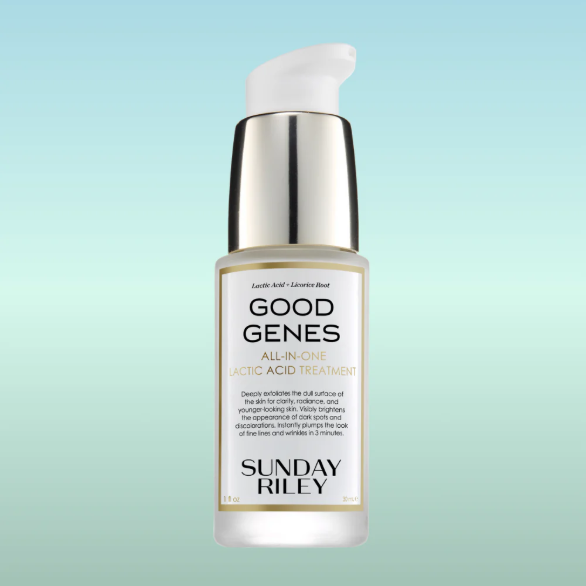
It is marketed as an “all-in-one lactic acid treatment” that visibly smooths, brightens, and rejuvenates the skin.11 Lactic acid is widely recognized in dermatological research for its gentle exfoliating properties and improvement of skin texture by loosening the bonds between dead skin cells.12 In doing so, the cells shed more easily and no longer cling together, leading to smoother skin. Smooth skin reflects light more evenly so that it “glows,” in contrast to rough skin that scatters light in different directions.12 This improved skin cell turnover can also help increase superficial, but not integral, skin firmness. Unfortunately, over long periods of use, the skin can adapt to repeated lactic acid exposure, reducing the intensity of its effects.13 This means that while the treatment can improve superficial texture and tone, it can’t truly act as an anti-aging agent.
Good Genes’ formulation also includes several plant-derived ingredients such as licorice root extract, a botanical ingredient high in antioxidants and frequently used to prevent hyperpigmentation.11,14,15 Alongside these botanical components, silicone-based dimethicone and phenyl trimethicone create a temporary moisture barrier and improve product texture rather than directly ‘improving’ skin biology.11,16
Ultimately, Good Genes exemplifies how a product can feel impactful and satisfying to many users because of its surface benefits of softer skin, smoother texture, and radiance. Nonetheless, these benefits aren’t sources of deep biological transformation. Considering its price point of $85 for 30 mL of product and the limits of lactic acid at cosmetic concentrations, Good Genes is most worthwhile for those seeking gradual, visible exfoliation.11 Its appeal stems from reliable results, reinforced by strong community endorsement and the perception of a high-quality product.
Glow Recipe Watermelon Glow Niacinamide Dew Drops
Perhaps the most well-known product on this list, Glow Recipe’s Dew Drops serum shows how aesthetic trends in skincare play a large role in consumer desire. The term “glass skin,” a phrase popularized on platforms like TikTok and Instagram to describe a dewy and smooth complexion, has become central to the “Watermelon Glow” line’s appeal and positioning.18,19
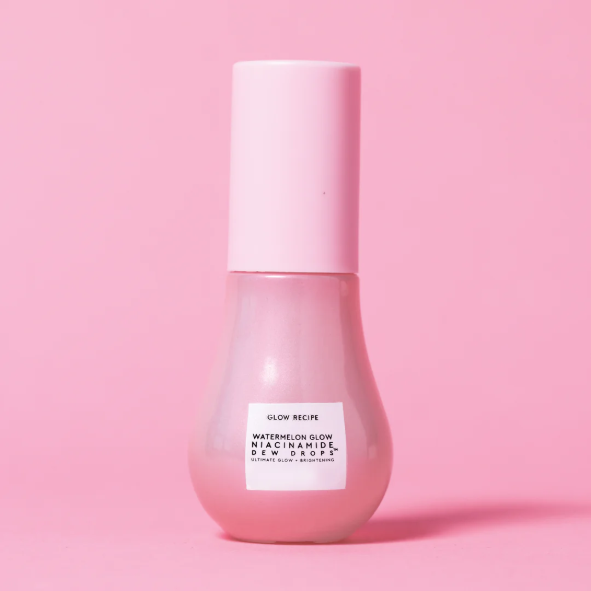
Glow Recipe markets this serum as a hydrating treatment that simultaneously brightens and evens skin tone.20,21 At its core, the formula contains niacinamide, a form of vitamin B₃ that supports ceramide production.20,22 Ceramides are lipids that keep the skin barrier intact, retain moisture, and strengthen intercellular lipids that sit between skin cells to hold the outer layer together.22,23 With consistent use, this supports barrier function and keeps skin hydrated.23 It can also act as an antioxidant and has evidence supporting its ability to moderately lighten hyperpigmentation and even skin tone.24,25 Unfortunately, the increase in ceramide production from using Dew Drops is temporary and doesn’t last with repeated use.23
Other ingredients, like glycerin and propanediol, are powerful humectants, leading to temporary plumping and a dewier surface appearance.21,26 Its watermelon extract provides antioxidant and soothing benefits through its vitamin and mineral content, while moringa seed oil extract contributes additional nourishing effects.21 However, fruit extracts in general lack strong clinical evidence for profound anti-aging effects at typical cosmetic concentrations.27 As with similar formulations, these ingredients improve how the skin looks and feels, without stimulating deeper changes in collagen.
Glow Recipe also reinforces its appeal through brand storytelling. In interviews, the co-founders emphasize gradual, glow-enhancing results rather than overnight transformation, positioning the product as part of a desirable skincare routine.28 This messaging aligns closely with the product’s actual performance: consistent hydration, improved surface smoothness, and enhanced light reflection. The resulting “glow” therefore is largely an optical and hydration-based effect, much like the Sunday Riley’s Good Genes treatment.
In evaluating its worth, at $50.50 for a standard 40mL bottle,20 Niacinamide Dew Drops delivers exactly what its ingredients are capable of. However, its viral reputation and trend-driven attraction risks overstating its capabilities, as most of the product’s benefits are surface-level. Glow Recipe’s success ultimately illustrates how marketing language can elevate modest, research-supported benefits into aspirational claims.
The three skincare products examined here consist of ingredients that back up their claims to an extent, although consumers often expect a complete transformation of their cellular biology. However, when marketing moves beyond exaggeration into material misrepresentation, legal consequences can follow. In 2024, companies including Osea, Azure, By Nature, and Pixi faced lawsuits alleging they marketed products as containing collagen when plant-based substitutes were used.29 Plaintiffs argue that consumers were misled into paying premium prices under the assumption of benefits that were impossible.29 This goes to show how ambiguous, appealing terms thrown around in the skincare industry such as “natural” almost never represent the full picture of a product’s formulation. Similar disputes have arisen over claims such as “probiotic,” “oil-free,” and “dermatologist-recommended,” where the scientific meaning behind the language doesn’t align with how the product functions.
Overall, the language of “miracle” marketing has slowly seeped into the norm, reinforced through social media. Yet, as seen with the products evaluated in this article, most of the benefits they offer are cosmetic effects rather than the biological changes consumers assume they are paying for. As a result, the mindset that natural skin needs to be corrected fuels overconsumption. In the future, it risks normalizing misinformation and dependency on products that don’t deliver what their language implies. The gap between scientific reality and marketing is not harmless: it shapes how people learn about skin health from a young age, influenced strongly by social media. Dr. Suozzi, a dermatologist, explains in an interview with Yale Medicine that at a young age, mature sebaceous glands that will produce sebum haven’t yet developed, leaving a child’s skin sensitive.30 If they apply products with ingredients like retinoids or strong acids, their sebum protection will decrease and damage the skin barrier.30
Despite the bleak implications of what this knowledge implies, consumers are not powerless. A more informed approach—reading ingredient lists, understanding what active ingredients can and can’t do, and recognizing the difference between immediate cosmetic effects and long-term change—promotes critical thinking. Brands should also work towards alternatives such as dermatology-backed ingredients, transparent clinic data, and simpler formulations. Ultimately, ensuring that product language accurately reflects the realistic effects of the ingredients relies on both corporate accountability and consumer literacy. Recognizing skincare for what it truly is, rather than chasing miracles, would benefit both consumers and the industry alike.

References
- Adepetun K, Adepetun K. The Cult of Skincare Consumerism. Fashion Is Psychology. Published March 18, 2025. https://fashionispsychology.com/the-cult-of-skincare-consumerism/
- Dinh TCT, Wang M, Lee Y. How does the fear of missing out moderate the effect of social media influencers on their followers’ purchase intention? SAGE Open. 2023;13(3). doi:10.1177/21582440231197259
- Discover Miracle Broth TM| Crème de la Mer. Crème De La Mer. https://www.cremedelamer.ca/miracle-broth
- The Science of Crème de la Mer | La Mer. Crème De La Mer. https://www.cremedelamer.com/the-science-of-creme-de-la-mer
- Harwood A, Nassereddin A, Krishnamurthy K. Moisturizers. StatPearls – NCBI Bookshelf. Published February 12, 2024. https://www.ncbi.nlm.nih.gov/books/NBK545171/
- La Mer Crème De La Mer Moisturizing Cream ingredients (Explained). INCIDecoder. Published June 6, 2022. https://incidecoder.com/products/la-mer-creme-de-la-mer
- Czarnowicki T, Malajian D, Khattri S, et al. Petrolatum: Barrier repair and antimicrobial responses underlying this “inert” moisturizer. Journal of Allergy and Clinical Immunology. 2015;137(4):1091-1102.e7. doi:10.1016/j.jaci.2015.08.013
- Occlusives. McGraw Hill Medical. https://dermatology.mhmedical.com/content.aspx?bookid=2812§ionid=244978020
- Catalogue, La Mer. https://www.behance.net/gallery/10963091/La-Mer-Catalogues/modules/513145879
- Teslica R. 101 GUIDE TO SUNDAY RILEY. Cult Beauty. Published November 28, 2025. https://www.cultbeauty.com/blog/101-guide-sunday-riley/
- Sunday Riley. Sunday Riley Good Genes Lactic Acid Treatment. Sunday Riley. https://sundayriley.com/products/good-genes-lactic-acid-treatment
- Tabin EM. Lactic Acid for Skin: A Dermatologist Explains All. Dermstore. Published October 1, 2025. https://www.dermstore.com/blog/ingredient-index/lactic-acid-for-skin
- Smith WP, Walter Smith Consultants. Epidermal and Dermal Effects of Topical Lactic Acid. Vol 35.; 1996:388-389.
- Stiani SN, Yusransyah Y, Septiana D, Sumantri IB. Effectivity and Evaluation of Licorice Root (Glycyrrhiza glabra) Extract Serum Formula as a Facial Brightening. Research Journal of Pharmacy and Technology. Published online September 24, 2024:4142-4148. doi:10.52711/0974-360x.2024.00641
- Dr Tanya Skincare. The Science Behind Botanical Skincare. Dr Tanya Skincare. Published December 21, 2024. https://drtanya.com.au/blogs/the-edit/the-science-behind-botanical-skincare-nature-s-best-ingredients?srsltid=AfmBOop0m4qIrQY8F-z5uUNKd-7x6PvRwmYPkcmT5VPzlDw43GAGm4_7
- Team P. Dimethicone in Skincare. Prequel. Published July 29, 2025. https://prequelskin.com/blogs/skin-notes-skincare-blog/dimethicone-in-skincare
- Sunday Riley’s Good Genes All-in-One Lactic Acid Treatment. https://sundayriley.com/products/good-genes-lactic-acid-treatment?srsltid=AfmBOopTW9gdyVwGCN2PsYupoqQ869YefuHy07S-5O4MK6Tt-mBbpSKR
- Watermelon Collection – Natural Watermelon Skin Care. Glow Recipe. https://www.glowrecipe.com/collections/watermelon
- Yoo J. Glass Skin: The Rise and Reality Behind the K-Beauty Trend – Jane Yoo MD. Jane Yoo MD – Board Certified Cosmetic Dermatologist & Mohs Surgon. Published January 30, 2025. https://www.janeyoomd.com/glass-skin-the-rise-and-reality-behind-the-k-beauty-trend/
- Meet Dew Drops. Glow Recipe. https://www.glowrecipe.com/collections/watermelon/products/watermelon-glow-niacinamide-dew-drops
- Glow Recipe Watermelon Glow Niacinamide Dew Drops ingredients (Explained). INCIDecoder. Published December 7, 2020. https://incidecoder.com/products/glow-recipe-watermelon-glow-niacinamide-dew-drops
- Tanno O, Ota Y, Kitamura N, Katsube T, Inoue S. Nicotinamide increases biosynthesis of ceramides as well as other stratum corneum lipids to improve the epidermal permeability barrier. British Journal of Dermatology. 2000;143(3):524-531. doi:10.1111/j.1365-2133.2000.03705.x
- How Much Do We Really Know About Our Favorite Cosmeceutical Ingredients? | JCAD – The Journal of Clinical and Aesthetic Dermatology. JCAD – the Journal of Clinical and Aesthetic Dermatology. https://jcadonline.com/how-much-do-we-really-know-about-our-favorite-cosmeceutical-ingredients/
- Boo YC. Mechanistic Basis and Clinical Evidence for the Applications of Nicotinamide (Niacinamide) to Control Skin Aging and Pigmentation. Antioxidants. 2021;10(8):1315. doi:10.3390/antiox10081315
- Tayag C. Niacinamide in skincare: Benefits for glow, texture, and hydration. Jouer Cosmetics. Published August 24, 2025. https://jouercosmetics.com/blogs/under-eye-balm/niacinamide-in-skincare-benefits-for-glow-texture-and-hydration
- Glycerin (Explained + products). INCIDecoder. https://incidecoder.com/ingredients/glycerin#details
- Gǎlbǎu CŞ, Irimie M, Neculau AE, et al. The Potential of plant extracts used in Cosmetic product Applications—Antioxidants Delivery and Mechanism of Actions. Antioxidants. 2024;13(11):1425. doi:10.3390/antiox13111425
- Morris JC. How Glow Recipe Became Sephora’s No. 1 Indie Brand. Beauty Independent. https://www.beautyindependent.com/how-glow-recipe-became-sephora-no-1-indie-brand/. Published February 20, 2025.
- Lawsuits over fake collagen in cosmetics raise concerns for industry. CosmeticsDesign.com. Published October 14, 2024. https://www.cosmeticsdesign.com/Article/2024/10/14/lawsuits-over-fake-collagen-in-cosmetics-raise-concerns-for-industry/
- Katella K. When Kids are Obsessed with Skin Care Products. Yale Medicine. Published November 12, 2025. https://www.yalemedicine.org/news/when-kids-are-obsessed-with-skin-care-products

 The Abstract