
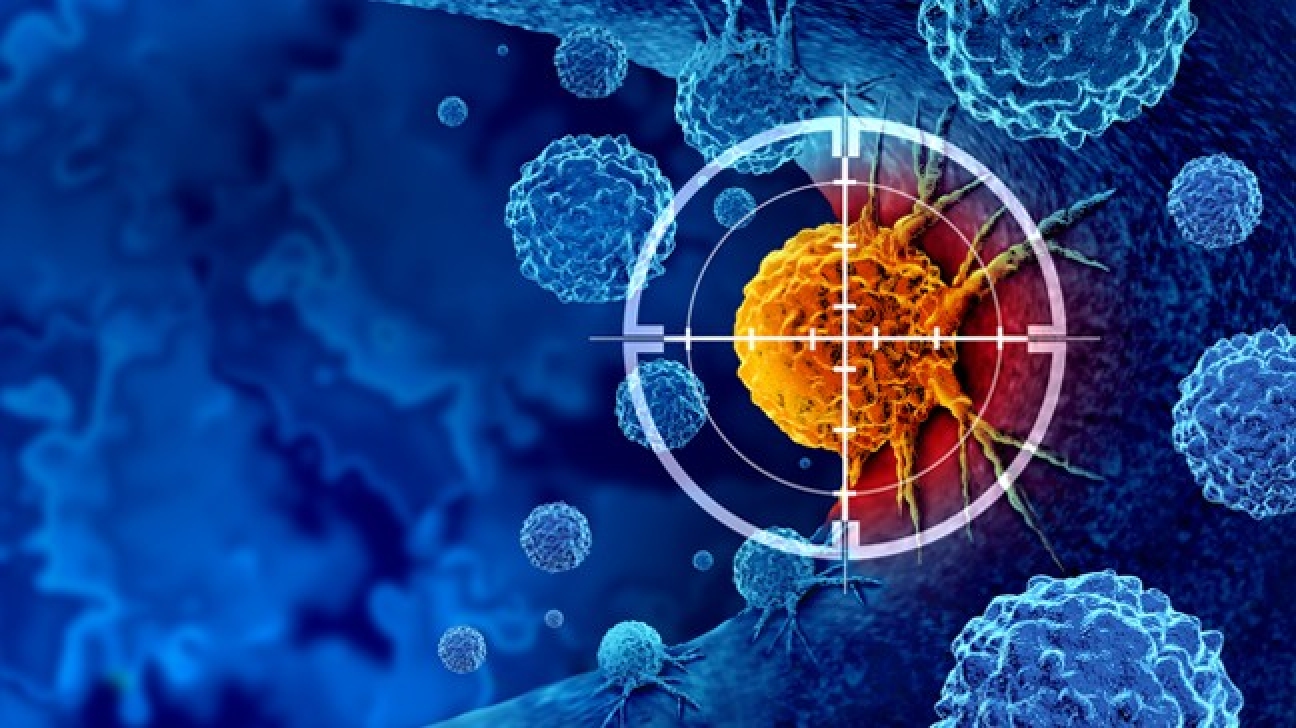
Siddiqui, B. (2024, May 10). What’s new in immunotherapy for prostate cancer? MD Anderson Cancer Center.https://www.mdanderson.org/cancerwise/what-s-new-in-immunotherapy-for-prostate-cancer-treatment.h00-159697545.html.
By: Sacha Mitchell, Contributing Writer
Cancer immunotherapy has revolutionized oncology over the last three decades, but a serious problem remains: more than half of treated patients do not respond to the therapy. Recent research, including work at McGill, reveals that manipulating the microorganisms living in our gut could help improve treatment outcomes.
You’ve probably encountered the buzzwords “gut health,” “probiotic,” and others related to your gastrointestinal tract circulating recently among so-called health influencers. While not all health information found online should be taken seriously, the gut is actually a very exciting organ in various fields of biomedical research. This is mostly due to the recent emergence of research on the gut microbiota.
The gut microbiota: it affects more than you think
The gut microbiota refers to the collection of trillions of microorganisms living in the gastrointestinal tract of humans. These are mostly bacteria, but also include viruses, fungi and archaea. This complex community colonizing the entire length of the tract has an intimate connection with human physiology and pathology. Namely, imbalances in its composition have been associated with metabolic diseases, mental health disorders, neurodegenerative diseases, cancer, and other pathological conditions [1]. This relationship between the gut microbiota and organs outside the digestive tract initially seems far-fetched (bacteria living in our gut can influence mental health? How is that plausible?) However, it becomes increasingly convincing when considering the well-studied two-way biochemical signaling pathway between the gut and the brain, or learning that bacteria in our gut break down food into molecules that enter our bloodstream and directly affect other organ systems. A substantial body of published work has also tied the gut microbiota to the immune system; this is unsurprising since the gut is the largest immune organ in the body, and where 60-80% of our immune cells are found [2]. The gut microbiota therefore inevitably affects immune system-related drug treatments such as cancer immunotherapy.
Cancer immunotherapy
In 2018, James P. Allison and Tasuku Honjo won the Nobel Prize in Physiology or Medicine “for their discovery of cancer therapy by inhibition of negative immune regulation” [3]. Essentially, they discovered that our immune system could be artificially primed to fight tumour cells. This new form of cancer treatment became cancer immunotherapy. In the last 30 years, immunotherapy has revolutionized the field of oncology and improved survival rates for many patients with tumours that would previously have been rapidly fatal [4]. Chances are, if a patient is diagnosed with a malignant growth in their lungs, oncologists will give immunotherapy a shot to treat them. Unfortunately, there are still many patients who do not respond to this treatment. Some studies estimate that as high as 80% of patients are not receptive to immunotherapy, although this has been found to be heavily dependent on the specific characteristics of the tumour [5]. Uncovering the reasons why treatment may not be effective and the ways response rate can be improved are evidently very important fields of research.
The gut and its implications in immunotherapy
So, what does our gut microbiota have to do with an immune system-related cancer treatment? As it turns out, potentially a lot! While the detailed biological mechanisms behind this phenomenon are still murky, there is evidence in favour of an association between the microbiome of the gastrointestinal tract and cancer immunotherapy. Differences in gut microbial composition between responders and non-responders, the deleterious effects of antibiotics on immunotherapy efficacy, and the manipulation of the gut’s microbial population using certain dietary compounds are all concepts that have been studied in relation to immunotherapy.
Studies have shown that we may be able to predict the effectiveness of immunotherapy in patients by determining their guts’ microbial composition, i.e., specifically which organisms live on the walls of their gut. For example, a 2017 study of melanoma (severe skin cancer) patients undergoing immunotherapy revealed higher abundances of some species of bacteria in responding patients versus non-responders prior to the treatment [6]. This is not only exciting because it shows a link between the microbiota and the immunotherapy response rate, but also because it could imaginably help clinicians predict how likely each patient is to respond to the treatment. These ‘clues’ from the microbiota could prevent clinicians from recommending immunotherapy in patients that will not respond, and instead enable them to informedly tailor patients’ treatment regimens, prioritizing alternative options for those less likely to benefit. Additionally, this relationship between certain species of bacteria in the microbiota and immunotherapy response rate gives microbiota-specialized pharmacologists an idea of which bacterial species to investigate during drug development.
On a more clinically-related note, changes in composition secondary to antibiotic use has also been shown to affect response rates in patients. It has been demonstrated that antibiotic treatment (which is common in cancer patients to prevent infection) can decrease the effectiveness of immunotherapy [7, 8]. Broad-spectrum antibiotic treatment depletes the bacteria, good or bad, living in the gut. If certain bacteria in our gut are indeed associated with improved patient response to immunotherapy, it therefore should not be surprising that antibiotics reduce treatment efficacy. But why are certain bacteria associated with an improved response rate? One proposed explanation is that there is a two-way beneficial relationship between the good bacteria and the immune cells of the gut which are supposedly involved in the body’s response to the cancer following immunotherapy. Due to their symbiosis, killing the bacteria weakens the immune cells, and due to the importance of the immune cells in effectuating a response, the effectiveness of the treatment would also thereby be diminished. In support of this theory, one study showed that giving broad-spectrum antibiotics to mice who had either lung cancer or melanoma caused a defective activation of immune cells, thereby causing faster tumour development [9]. Other mechanisms of antibiotic disturbance in the context of immunotherapy have recently been investigated, such as the recolonization of the gut by bacteria that negatively affect the immune system following antibiotic treatment [10].
Extensive and fascinating research has been done to explore the relationship between our microbiota and immunotherapy efficacy, including groundbreaking contributions from researchers from McGill University! In 2022, a team including Dr. Bastien Castagner from McGill’s department of Pharmacology and Therapeutics showed that feeding mice a South American berry called camu-camu improved their response to immunotherapy [11]. Importantly, they linked this response directly to a molecule in the berry which alters the composition of the microbiota, and showed that the microbial composition of the gut is causally associated with immunotherapy response. This is no longer solely an animal study: excitingly, camu-camu is in clinical trials (in Montreal) in both lung and skin cancer patients undergoing immunotherapy! [12] In the same study mentioned above, the researchers transplanted the microbiota of non-responding patients into mice and turned them into responders by feeding them this active molecule [11]. This is incredibly exciting: could we someday transplant the feces (yes, this is how microbiotas are transferred from one organism to another, in a procedure called fecal microbiota transplant) from someone who has responded to immunotherapy to someone who is not and make them more receptive to treatment? This is the long-term goal of physician-scientists including Dr. Bertrand Routy from the University of Montreal, who is currently conducting a clinical trial involving fecal microbiota transplant in combination with immunotherapy in melanoma patients [13].
The exploration of the gut microbiota’s impact on cancer immunotherapy reveals a fascinating intersection of microbiology and medicine. While the notion of the microorganisms in our gut influencing our immune response may initially seem improbable, scientific evidence increasingly supports its significance. Recent studies suggest a compelling association between the microbial composition of a patient’s gut and immunotherapy efficacy, offering a potential avenue for predicting patient responses. Furthermore, the adverse impact of antibiotic treatments on immunotherapy highlights the importance of “good” bacteria in immunotherapy. Excitingly, recent research demonstrates how manipulation of the microbiota can enhance immunotherapy responses, raising intriguing possibilities for future therapeutic interventions for cancer. As we unravel the complexities of the microbial world within, it becomes increasingly evident that our ‘gut health’ may hold a key to advancing personalized cancer therapies.
References
1. Fan, Y. and O. Pedersen, Gut microbiota in human metabolic health and disease. Nat Rev Microbiol, 2021. 19(1): p. 55-71.
2. McDermott, A.J. and G.B. Huffnagle, The microbiome and regulation of mucosal immunity. Immunology, 2014. 142(1): p. 24-31.
3. Smyth, M.J. and M.W. Teng, 2018 Nobel Prize in physiology or medicine. Clin Transl Immunology, 2018. 7(10): p. e1041.
4. Ferreira, M. and K.L. Reckamp, Editorial: Impact of immunotherapy in lung cancer. Front Oncol, 2022. 12: p. 1083524.
5. Sharma, P., et al., Primary, Adaptive, and Acquired Resistance to Cancer Immunotherapy. Cell, 2017. 168(4): p. 707-723.
6. Frankel, A.E., et al., Metagenomic Shotgun Sequencing and Unbiased Metabolomic Profiling Identify Specific Human Gut Microbiota and Metabolites Associated with Immune Checkpoint Therapy Efficacy in Melanoma Patients. Neoplasia, 2017. 19(10): p. 848-855.
7. Routy, B., et al., Gut microbiome influences efficacy of PD-1-based immunotherapy against epithelial tumors. Science, 2018. 359(6371): p. 91-97.
8. Pinato, D.J., et al., Association of Prior Antibiotic Treatment With Survival and Response to Immune Checkpoint Inhibitor Therapy in Patients With Cancer. JAMA Oncol, 2019. 5(12): p. 1774-1778.
9. Cheng, M., et al., Microbiota modulate tumoral immune surveillance in lung through a gammadeltaT17 immune cell-dependent mechanism. Cancer Res, 2014. 74(15): p. 4030-41.
10. Fidelle, M., et al., A microbiota-modulated checkpoint directs immunosuppressive intestinal T cells into cancers. Science, 2023. 380(6649): p. eabo2296.
11. Messaoudene, M., et al., A Natural Polyphenol Exerts Antitumor Activity and Circumvents Anti-PD-1 Resistance through Effects on the Gut Microbiota. Cancer Discov, 2022. 12(4): p. 1070-1087.
12. Pang, S.A., et al., Two Cases of Durable and Deep Responses to Immune Checkpoint Inhibition-Refractory Metastatic Melanoma after Addition of Camu Camu Prebiotic. Curr Oncol, 2023. 30(9): p. 7852-7859.
13. Routy, B., et al., Fecal microbiota transplantation plus anti-PD-1 immunotherapy in advanced melanoma: a phase I trial. Nat Med, 2023. 29(8): p. 2121-2132.

 The Abstract
This was a great read.